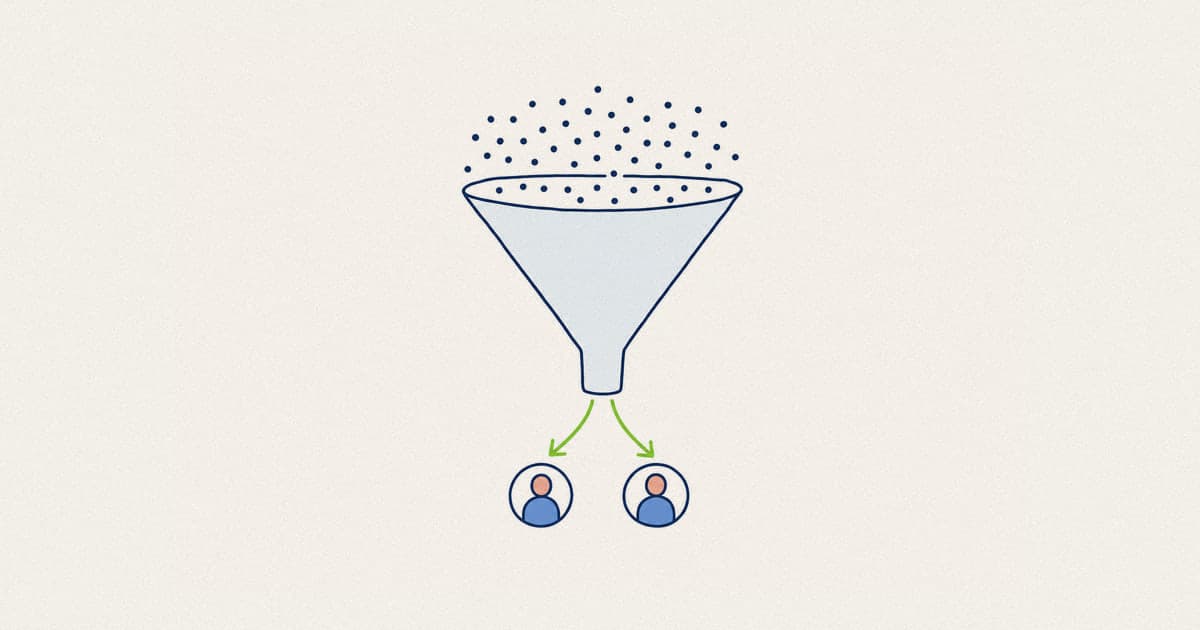
We are often asked to "put a recognition program in place". The request is almost always a symptom of something else: people do not leave because a points system is missing, they leave because their manager has said nothing in eight months.
And it nearly always arrives by the same route. The annual survey lands, "I feel recognized" is the lowest-scoring statement on it and somebody on the leadership team suggests going shopping for a platform. Three months later there's a tool. Six months later the statement hasn't moved.
What does not work
The common thread: all of them move recognition from the manager to a mechanism. But the person is precisely what the message is made of.
Employee of the month is the only one on the list that does active harm. Nobody resigns over it, but it gets discussed at lunch and each round chips away at leadership's credibility.

The three conditions
Specific
"Good work" recognizes nothing. "Your follow-up with the client on Thursday is why we did not lose the contract" recognizes something, because it proves somebody was watching.
It's also the simplest test of whether a manager knows what their people actually do. A manager who can't name one specific contribution for three of their reports doesn't have a recognition problem. They have a proximity problem, and no tool will fix it.
Fast
Recognition has a very short half-life. Past two weeks it reads as a formality rather than a reaction.
From directly up the line
A mention from the CEO is pleasant. A sentence from the direct manager changes behaviour, because that is the person who decides assignments, scheduling and the next promotion.
When a tool does earn its place
Let's be fair: there's one case where the platform wins.
A 300-person company running four shifts, no desk computers, where the night crew never crosses paths with leadership. There the problem isn't willingness to recognize, it's mechanics: nobody sees anybody. A tool you can reach from a phone solves a genuine peer-visibility problem.
The difference comes down to one question. Do your managers already recognize people, and the tool spreads it? Or are you hoping the tool creates the gesture? In the first case, buy it. In the second, you're buying one more symptom.
What recognition does not repair
A well-turned sentence doesn't make up for below-market pay. Worse, it inflames it.
When somebody knows their role pays 12% more elsewhere, a thank-you card reads as a polite insult. The message received isn't "we see you", it's "we see you and we're not going to do anything".
So before any recognition work, check the salary structure. If your bands haven't been reviewed in three years, start with the salary band calculator and with your pay equity obligations. Recognition comes after, and it works far better on a sound base.
The manager's objection
It comes up in every room, in two forms.
"I don't have time." A specific sentence takes eleven seconds. This isn't a time problem, it's an attention problem: naming a contribution requires having noticed it, which means watching the work rather than only the results.
"I'll sound fake." That one is legitimate, and it has an answer. You sound fake when you recite a formula. You don't sound fake when you describe a fact. "I saw how you handled Tuesday's call" isn't a compliment, it's an observation. Nobody finds an observation insincere.
Where to start
The first four weeks
- Ask every manager to name one specific contribution per person, per month.
- Write it into the one-on-one record, so it is traceable.
- Remove any mechanism that produces one winner and a set of losers.
- Measure after six months with "my work gets noticed", not with a headline score.
It costs nothing, it needs no tool and it is the only part of the problem leadership genuinely controls.

Measuring without kidding yourself
The reflex is to measure the program: adoption rate, thank-yous sent, logins per month. Those numbers always climb at first and prove nothing.
Measure the effect instead, with a single statement: "my work gets noticed by my manager." Segment by manager, not by company. An organizational average hides exactly what you're looking for, because recognition is never evenly distributed: it's excellent in two teams and absent in two others.
The satisfaction survey generator will build that short measure, and the piece on engagement surveys explains why the sixty-question annual format tells you nothing useful here.
Then cross it with two things you already have: your turnover rate by manager, and what comes out of exit interviews. When all three point at the same team, you no longer have a suspicion. You have a case.
Recognition isn't a budget line. It's a management habit, and habits can't be bought.
The research points the same way
None of the above is intuition. Gallup, SHRM, Great Place To Work and O.C. Tanner reach the same conclusions independently: the most effective recognition is timely, specific, genuine and delivered by the employee's direct manager rather than through a program or a software platform. Workplaces where it is frequent and meaningful generally show stronger engagement, better retention and higher performance.
The worked example is always the same one. A company invests in a recognition platform. If managers do not build the habit of naming their team's contributions, adoption falls away within months and the impact stays marginal. The reverse also holds: a manager who regularly gives specific, genuine recognition, with no tool at all, ends up with people who report feeling markedly more appreciated.
That habit is what our employee engagement work builds first. The tool comes second, and only if it earns its place.