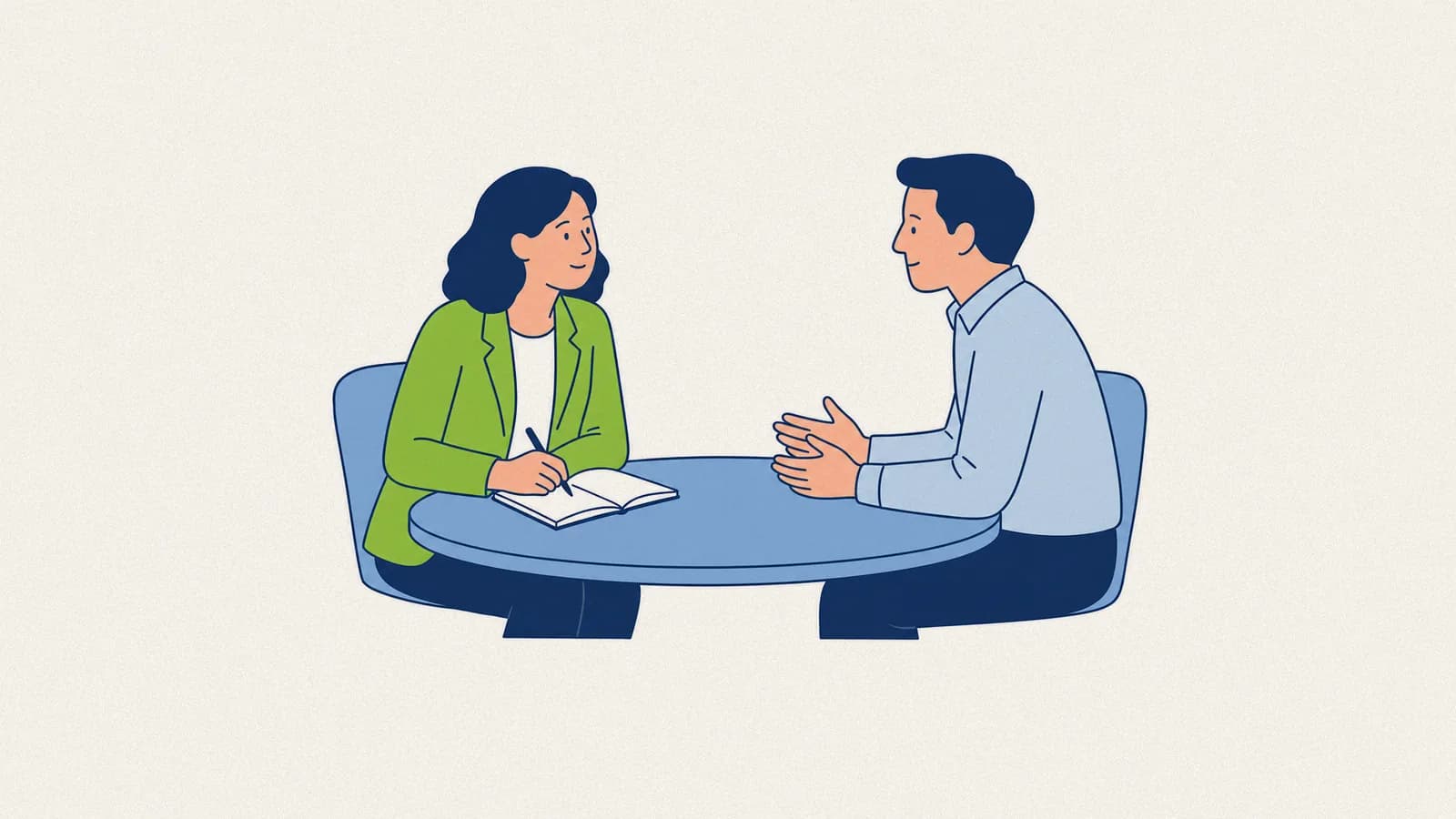
We have already argued that recognition at work is not a program. We stand by it: the gesture comes from the direct manager, it is specific and fast and no platform manufactures it.
How do you make that gesture reliable across 200 people and 18 managers? A habit that runs on goodwill holds six weeks. What follows will not create the gesture. It organizes it and shows you who is not doing it.
The only test that matters is month three
Anything works in week one. A wall of sticky notes, a Friday shout-out ritual. The question is whether it still happens in week twelve. Two things predict survival: the idea takes under a minute, and nobody has to organize it. Every idea below clears both bars.
Ten ways to recognize employees that pass it
The last two get underestimated. Replacing the warehouse printer jammed for eight months, while naming who flagged it, beats any ceremony.
The employee recognition program template
Six rows. At fifteen pages, you have written a policy.
Row three is where most companies go wrong. Results are easy to defend in a room. But a results-only program has nothing to say to the person whose quarter went sideways for reasons outside their control, and that is the person deciding whether to stay.
The cadence is the program
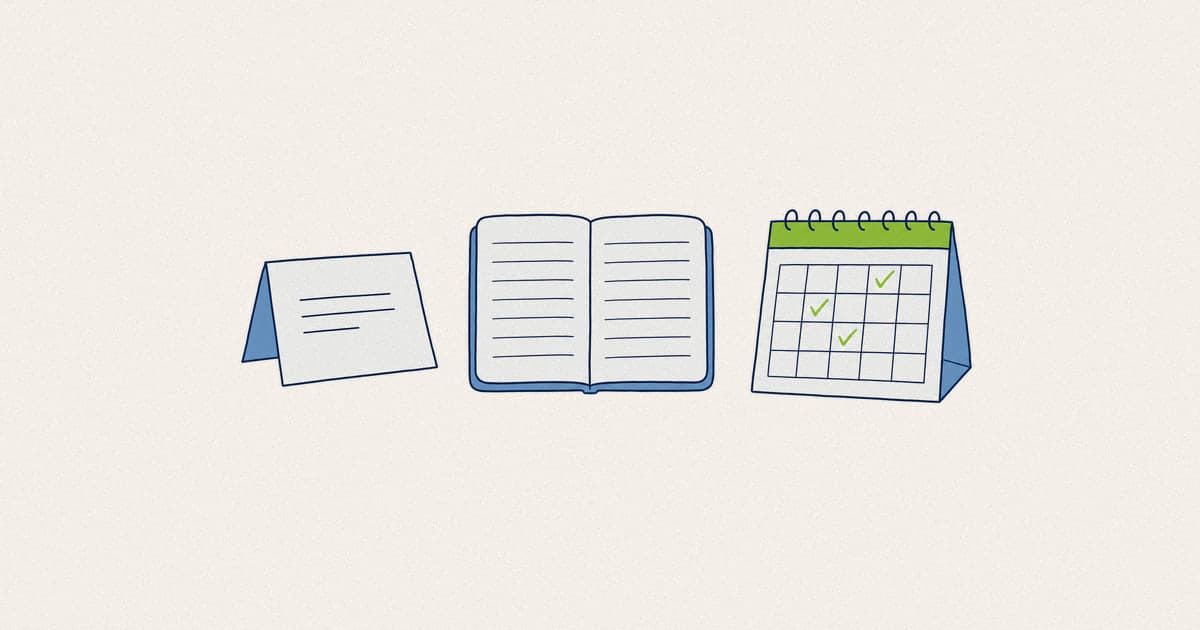
The quarterly row makes the template do any work. Fifteen minutes, one question: who has received nothing in three months?
The same profiles surface every time: the person who never complains, the evening shift, the eleven-year veteran whose work stopped being noticed because it never fails.
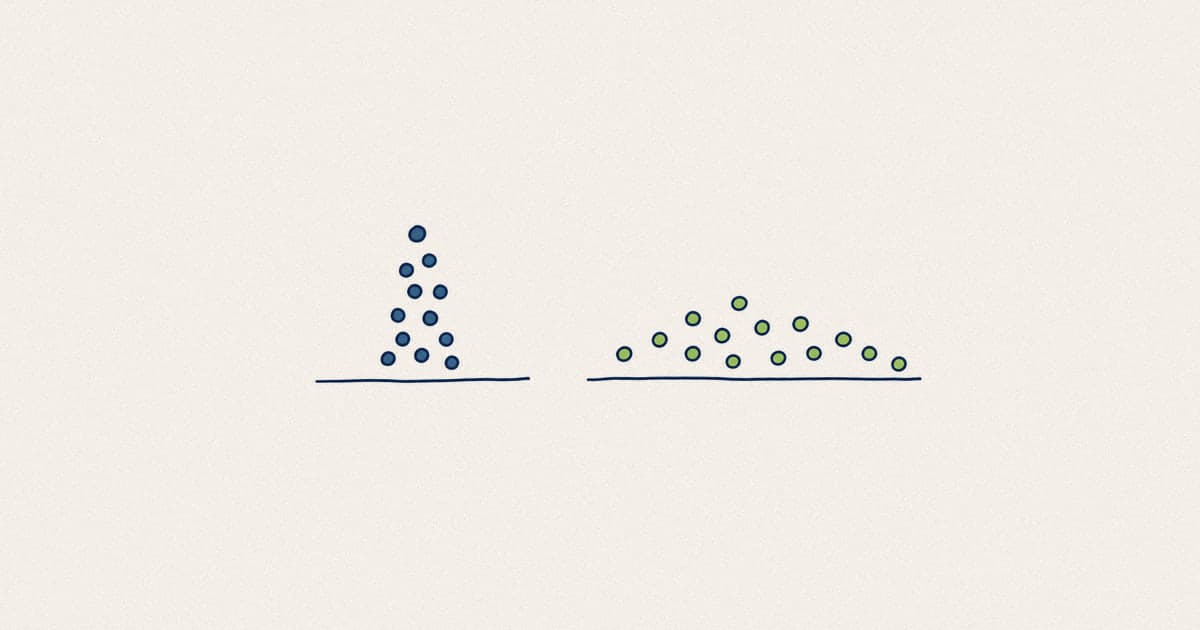
Frequency is not a matter of taste. Gallup's work on generational differences in recognition found employees born in 1989 or later are 73% more likely than baby boomers to want recognition at least a few times a month. If your workforce is young, quarterly is not a cadence.
What to write down
One line, three elements
- The date. Recognition that is six weeks old is not recognition.
- The observed fact, not the character trait. "Picked up the Bélanger file within 48 hours after Julie left" beats "reliable".
- The effect: what it avoided, unlocked or made possible.
Why write it, if the spoken gesture is what counts? Because the annual review stops being a memory test covering the last six weeks, and because a skills matrix template fills itself in from these lines.
What none of this fixes
A recognition program built on an unfair pay structure makes things worse: it confirms you are watching and not acting. If your bands have not been reviewed in three years, fix that first with the salary band calculator.
Three numbers, not twelve
The effect. The statement "my work gets noticed by my manager," asked every six months and split by manager. A company average of 4.1 out of 5 hides three teams at 4.8 and one at 2.2, and the last one is expensive. The satisfaction survey generator builds that measure.
Coverage. The percentage of people with at least one written line in the last 90 days. The only figure leadership reads in ten seconds. Below 70%, your program exists on paper.
Voluntary turnover by manager. Cross the turnover rate with what comes out of exit interviews. When the same team shows up three times, you no longer have a hunch.
Gallup's 2024 research on recognition and retention tracked employees over two years and found the well-recognized ones were 45% less likely to have changed employers. Only 22% said they get the right amount of recognition.
At Inlead RH (inleadrh.ca), our employee engagement mandates install the template before the tool. Nine times out of ten, it never comes back up.