We usually get sent the plan before the first meeting. It is almost always the same deck. Lunch-and-learns, a wellness allowance, a recognition platform, a quarterly social, an annual survey. Nothing on that page is bad. But it is not an employee engagement strategy, it is a budget with good intentions.
A strategy holds when it answers four questions in order. Everything else is decoration.
Why most employee engagement plans stall
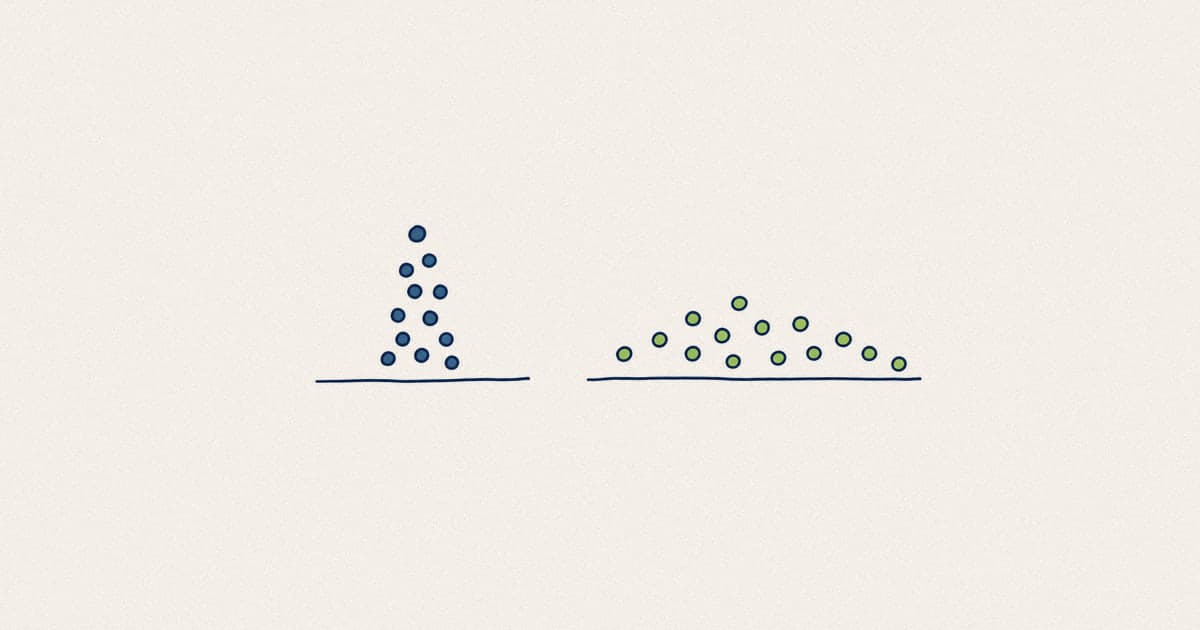
The plan is aimed at nobody. It addresses "our people", a group that does not exist. At a 240-person services company, the overall engagement score was 7.4 out of 10. Respectable. Split by team, second-line support sat at 4.3 and finance at 8.8. The company average had hidden the only real problem for two years.
The plan belongs to HR. It lives in an HR file, gets presented to the executive team once a year and managers hear about it at the same time as their teams. A plan a manager discovers is not that manager's plan.
The plan measures mood. One general satisfaction question, once a year. That tells you how people felt in November. Never why, and never whether what you launched in June changed anything.
Gallup put employee engagement at 20% in 2025, with manager engagement falling from 27% to 22% in a single year. The second number should worry you: a checked-out manager carries no plan anywhere.

Step 1: diagnose before you spend
A diagnosis takes three to four weeks and costs less than one quarter of a badly aimed initiative. Three sources. No more.
Perception. A short survey, segmented by team and by manager or you repeat the averaging mistake. If you have never run one, read what separates a useful survey from one that damages trust.
Hard numbers. Voluntary turnover by team over 24 months, kept separate from involuntary exits. Departures do not argue back in a meeting. Put a dollar figure beside them with the cost of a departure and the conversation with your CFO changes shape.
Structure. An HR self-assessment filled out individually by each executive, with no comparing notes. The gaps between the answers are worth more than the answers.
Step 2: pick two drivers, not eight
A 200-person organization can absorb two changes a year. Not six. Here are the drivers that move engagement, and their limits.
Pay is almost never an engagement driver, it is an irritant. Underpay someone and they leave. Pay them properly and nobody gets out of bed with more energy. Fix it once, with a defensible salary band, then move on.
Recognition is the cheapest driver and the most often botched. We wrote up what works and what reads as insulting.
Step 3: every driver gets a manager, not a committee
"Leadership" is not an owner. "HR" is not one either. The owner is the manager whose team is affected. HR supplies the tool, the training and the data. The manager does the thing, every week, in front of their own people. That is the difference between a plan that moves and a plan that gets filed.
Gallup finds managers account for roughly 70% of the variance in team engagement. Not the perks, not the mission statement on the wall. If you want to improve employee engagement with one decision, it is who you promote into management and how you support them.
Three conditions. One driver per owner, not three. A first-milestone date rather than an end date. And five minutes on the monthly management agenda, next to the operational numbers.

Step 4: measure the driver, not the mood
Say you picked role clarity. You do not measure "are you satisfied", you measure two things. A perception question, asked to the same team every quarter: "I know what is expected of me this week." And an observable indicator: the percentage of employees with a written objective and a one-on-one in the last 60 days. The question tells you whether it is felt, the indicator whether it is being done.
Add exit interviews as a third source. Too late for the person leaving, but they confirm or demolish your diagnosis better than any survey.
The first 12 months of an employee engagement plan
- Months 1 to 2: segmented diagnosis by team. Launch nothing.
- Month 3: leadership picks two drivers and tells the teams what was dropped and why.
- Month 3: each driver gets a named owner, one perception indicator and one observable indicator.
- Months 4 to 9: execution. Five minutes on every monthly management agenda.
- Month 6: re-measure, same teams, same questions, same segments.
- Month 12: keep, adjust or kill. A driver that has not moved was the wrong pick.
An engagement strategy is not judged on survey participation, but on one question: does an employee who has never heard of the plan have a different week because of it?
If nobody can answer it, the plan exists only on paper. Getting a real answer to it is the whole point of employee engagement work.
Frequently asked questions
At Inlead RH (inleadrh.ca) we do this work with companies of 20 to 500 employees. Diagnosis first, two drivers second and we stay through the six-month re-measure.